Explore our acclaimed film, immersive workshops, live webinars, practical ebooks, and exclusive products—everything you need for a positive, empowered birth experience.
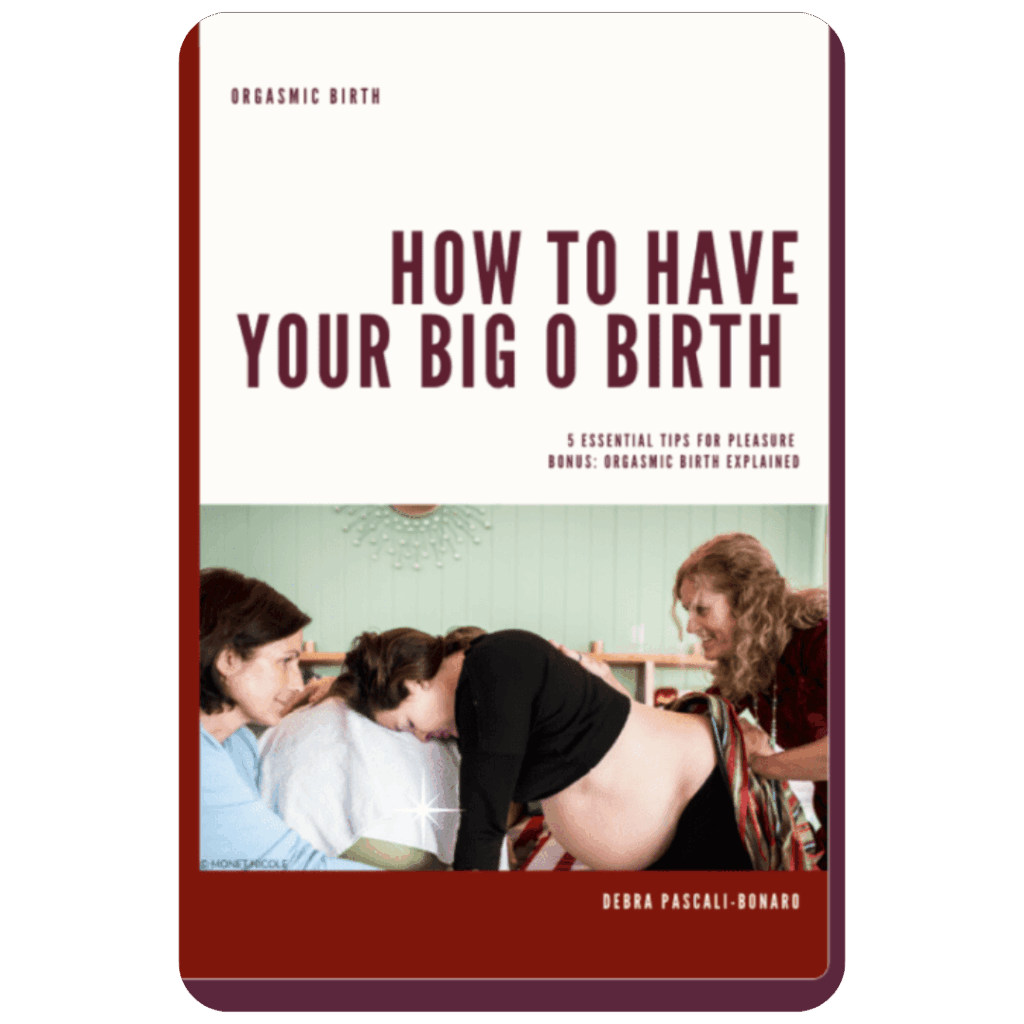
Plus our exclusive “How to Have a Big O Birth” guide with 5 pleasure-boosting tips
“I believe this is the most well-balanced, truthful, celebration of birth that I have ever viewed.”
-Carolyn Rafferty, RNC-O
WHAT WE OFFER
workshops & trainings
childbirth education
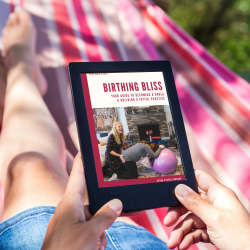
ebooks + courses
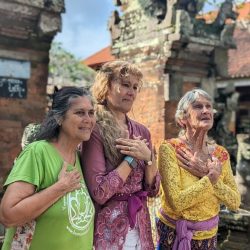
bali retreats
pleasure products
“This workshop is not just informative – it’s empowering. It doesn’t just teach you how to be a doula, it calls you into the heart of what it means to serve. You’ll walk away feeling connected, capable, and inspired to support birth with compassion and confidence.” -Jasleen
“This workshop is amazing! I have always wanted to take a class to be a doula and Debra with all her experience and wisdom, makes this journey of becoming a doula be such a beautiful experience. She is really an inspiration and great advocate for an “Orgasmic Birth”, a birth that can be beautiful without violence, without fear, without disrespect, and instead be a birth with loving support to the mama and baby to really enjoy that blissful day of baby’s arrival.” -Jacqueline
“The Orgasmic Birth Practitioner program is a transformative journey for anyone seeking empowerment—not just in birth, but in life. Through profound wisdom, deep connection, and joyful, love-filled live sessions, this program expands your perspective and ignites personal growth. Every session left me feeling invigorated, even at 2:30 AM in Australia! I also cherish this incredible community, where we openly share, support one another, and bring love from all corners of the world!” -Naphia
for parents
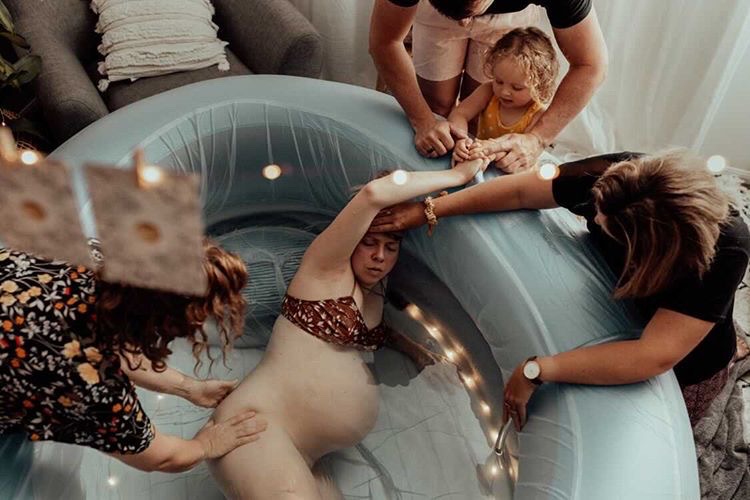
Ensure you are positively prepared for a safe, satisfying, and pleasurable birth and a loving, intimate relationship as a parent. From planning your unique birth experience to reconnecting with your sexuality after birth, our programs offer exactly what you need!
Be at the forefront of the new paradigm of birth as a sought-after doula, trained by one of the world’s most well-known leaders in pregnancy, birth, and postpartum. Our courses offer continuing education credit, mentorship, and inspiration to expand your practice with tools and tips for Orgasmic Birth® and parenting with pleasure.
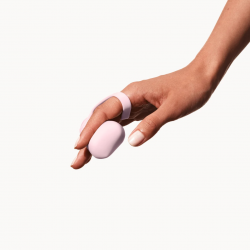
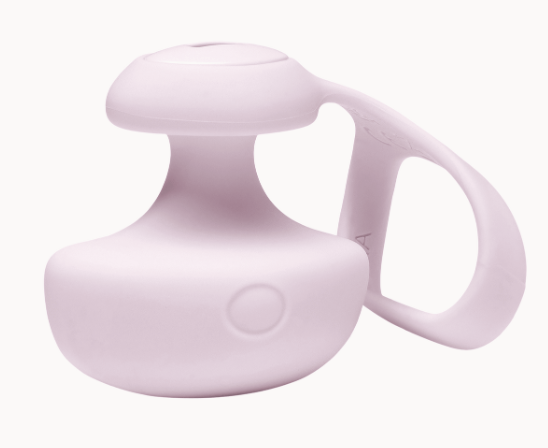
Firmly rooted in the belief that birth can be pleasurable and powerful, Orgasmic Birth and Dame have come together to create the first ever vibrator for birth.
Meet the Fin PleasureVibe, a wearable finger vibrator that can be used in pregnancy, labor, birth, and postpartum for pleasure, oxytocin enhancement, pain reduction, and healing.
Great information for empowerment in pregnancy and childbirth
“Five stars to Debra Pascali Bonaro for comprehensive and dynamic conversations that support safe pregnancy, childbirth and body wisdom!”
-D.
Transformative Conversation on Birth
“Debra’s compassionate and empowering approach to exploring pregnancy, birth and parenting is inspiring. Great work! -SamBGuia
Fantastic Interviews and Info!
“Debra has so much valuable info to share for mothers-to-be and anyone who assists in the birthing process. It is so inspiring to hear the birth stories from women and to hear from the experts. I’m so thankful she started this podcast. What an amazing resource.”
-77Tom
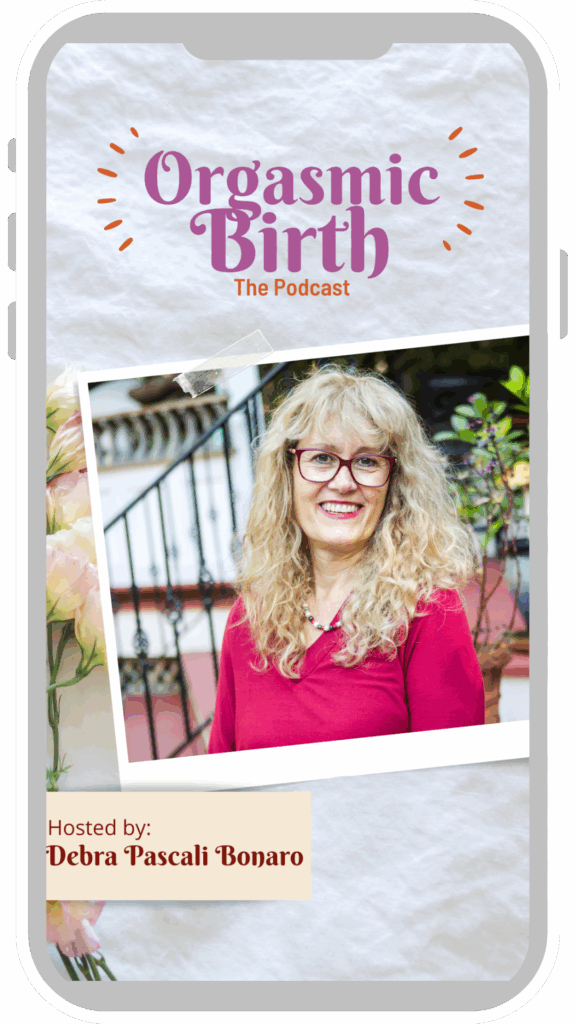
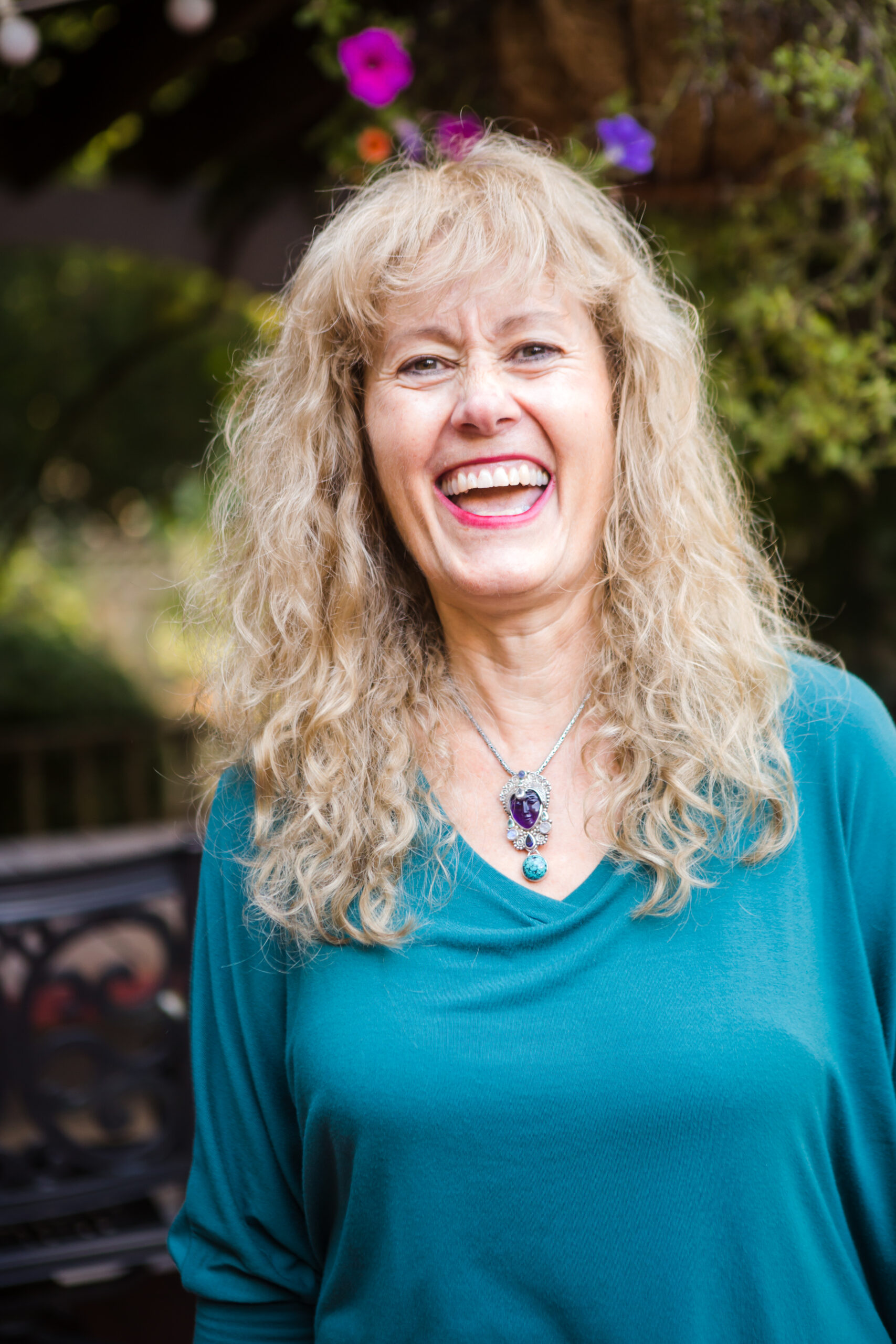
Debra Pascali-Bonaro is a world-renowned inspirational speaker, podcaster, filmmaker, doula trainer, childbirth educator, and author. Debra’s podcast, Orgasmic Birth heals barriers and opens the door to share secrets to more love and intimacy in birth and parenting. She brings together her passion for pleasure in every aspect of life with her Jersey-Girl attitude of talking about what no one is talking about! Debra is a mother, grandmother and featured expert in parenting journals and media around the world.
Debra is also Co-Chair of the International Childbirth Initiative and Chair of the International MotherBaby Childbirth Initiative both of which promote safe, respectful maternity care. She is a Lamaze International childbirth educator, birth and postpartum doula trainer with DONA International, Director of the award-winning documentary Orgasmic Birth: The Best-Kept Secret and co-writer of “Orgasmic Birth: Your Guide to a Safe, Satisfying and Pleasurable Birth”, Author of The Ultimate Guide To Sex After Baby: Secrets to Love and Intimacy and the Founder & President of the revolutionary online childbirth class Pleasurable Birth Essentials which prepares expectant mothers, fathers, and partners to be positively prepared for birth and focuses on the intimate and sacred nature of birth.
Debra’s passion comes from her over 30 years of working with women, men, midwives, doulas, physicians and nurses in over 40 countries bringing comfort, love, and pleasure to birth and life! Debra has been featured in parenting journals and media around the world.
“It’s every woman’s human right to have a pleasurable birth.”